 Budget
 3 Days Tanzania Safari
Arusha
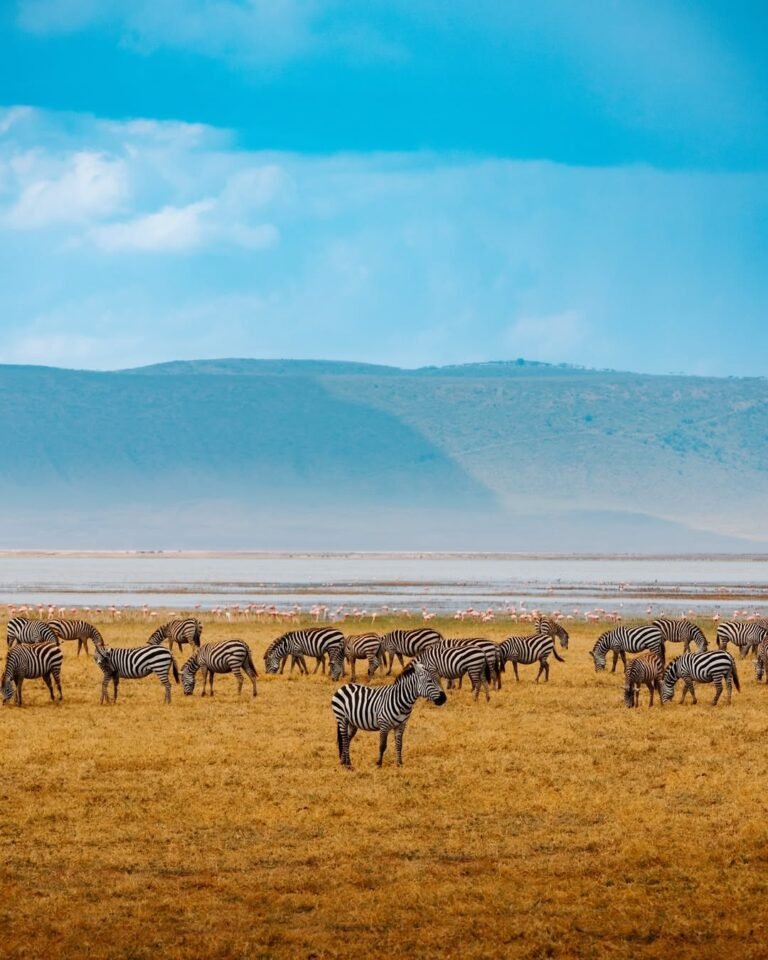
Experience the best of Tanzania’s Northern Safari Circuit in 3 days, exploring Tarangire National Park, the Ngorongoro Crater, and Lake Manyara National Park. Enjoy…

Find a safari that matches your time, destinations and travel style, then open the full Tour for its day-by-day details.
Budget Arusha
Experience the best of Tanzania’s Northern Safari Circuit in 3 days, exploring Tarangire National Park, the Ngorongoro Crater, and Lake Manyara National Park. Enjoy…
Tell us where you want to go, how many days you have and what you would like to experience. We can help you shape a safari around your trip.
Tanzania is a year-round safari destination, but each month brings different rainfall, landscapes, wildlife movement and visitor levels. Use the planner below to compare typical conditions before choosing your travel dates.
Warm conditions, green landscapes and intermittent rainfall make January an appealing time for southern Serengeti and Ndutu safaris.
Warm weather, occasional rain and lush scenery often make February particularly rewarding around southern Serengeti and Ndutu.
Rainfall generally increases through March, keeping landscapes green while visitor numbers are often lower than in peak safari periods.
April is commonly one of Tanzania’s wetter safari months, with lush scenery and fewer visitors, while some roads can become more challenging.
May remains green and relatively quiet, with rainfall often beginning to ease later in the month as seasonal conditions transition.
Rainfall generally decreases in June and safari conditions become progressively drier across many parks.
July is generally dry and sunny, with cooler mornings and evenings and strong wildlife-viewing conditions.
August usually brings dry conditions and excellent visibility, making it one of the stronger periods for classic wildlife viewing.
September remains dry in many safari regions, and wildlife often becomes increasingly concentrated around permanent water.
October is often warm and dry, with excellent wildlife concentration around water and a growing possibility of rain later in the month.
Intermittent short rains can green the landscape quickly in November while good wildlife opportunities continue with fewer visitors than peak dry season.
December often combines warm weather, green landscapes and intermittent rainfall with rewarding wildlife viewing.
Seasonal patterns and wildlife movements depend on rainfall and local conditions; natural events cannot be guaranteed by calendar date.
Choose your passport country to continue to the official Tanzania Immigration guidance. Country-specific visa classifications and fees are not guessed or inferred here because entry rules can change.
Entry and visa requirements can change. This tool provides general travel guidance only. Confirm your requirements with the Tanzania Immigration Department before travel.
Country-specific visa rules are not marked as verified in this build because live official verification was not available during development.
Passport:
For the current visa requirement, fee and eligibility for your passport, confirm directly with Tanzania Immigration. This build does not publish an unverified country classification.
View Official Visa Application